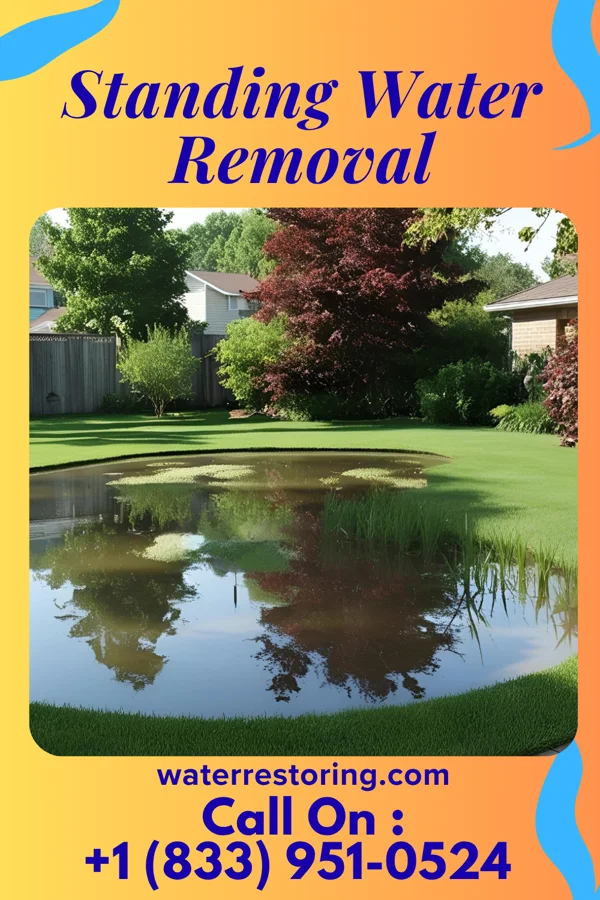
Little Browning Standing Water Drivers
Little Browning's climate creates predictable water damage windows. In Little Browning, Montana, the primary water damage cause is often due to burst pipes, especially during the harsh winter months when frozen pipes can rupture. Additionally, heavy spring snowmelt can lead to flooding in low-lying areas, particularly near the banks of the Missouri River. These events are common and require immediate attention to prevent further damage. A close second is Secondary causes include leaking roofs from heavy snow accumulation, backed-up sewers during heavy rains, and groundwater seepage into basements of older homes. These issues are exacerbated by the rural nature of the community and the lack of extensive drainage systems..
Little Browning experiences extreme weather conditions, including heavy snowfall in the winter and rapid spring thawing, which can lead to sudden water accumulation. The area's proximity to the Missouri River also increases the risk of flooding, making water damage a year-round concern.
Little Browning experiences extreme weather conditions, including heavy snowfall in the winter and rapid spring thawing, which can lead to sudden water accumulation. The area's proximity to the Missouri River also increases the risk of flooding, making water damage a year-round concern. The dominant local driver is In Little Browning, Montana, the primary water damage cause is often due to burst pipes, especially during the harsh winter months when frozen pipes can rupture. Additionally, heavy spring snowmelt can lead to flooding in low-lying areas, particularly near the banks of the Missouri River. These events are common and require immediate attention to prevent further damage., with Secondary causes include leaking roofs from heavy snow accumulation, backed-up sewers during heavy rains, and groundwater seepage into basements of older homes. These issues are exacerbated by the rural nature of the community and the lack of extensive drainage systems. a frequent secondary cause. Water damage progresses in stages: spread, absorption, microbial growth, structural compromise — each stage compounds the cost.